Zero emissions, maximum impact - the environmental case for Air Delivery
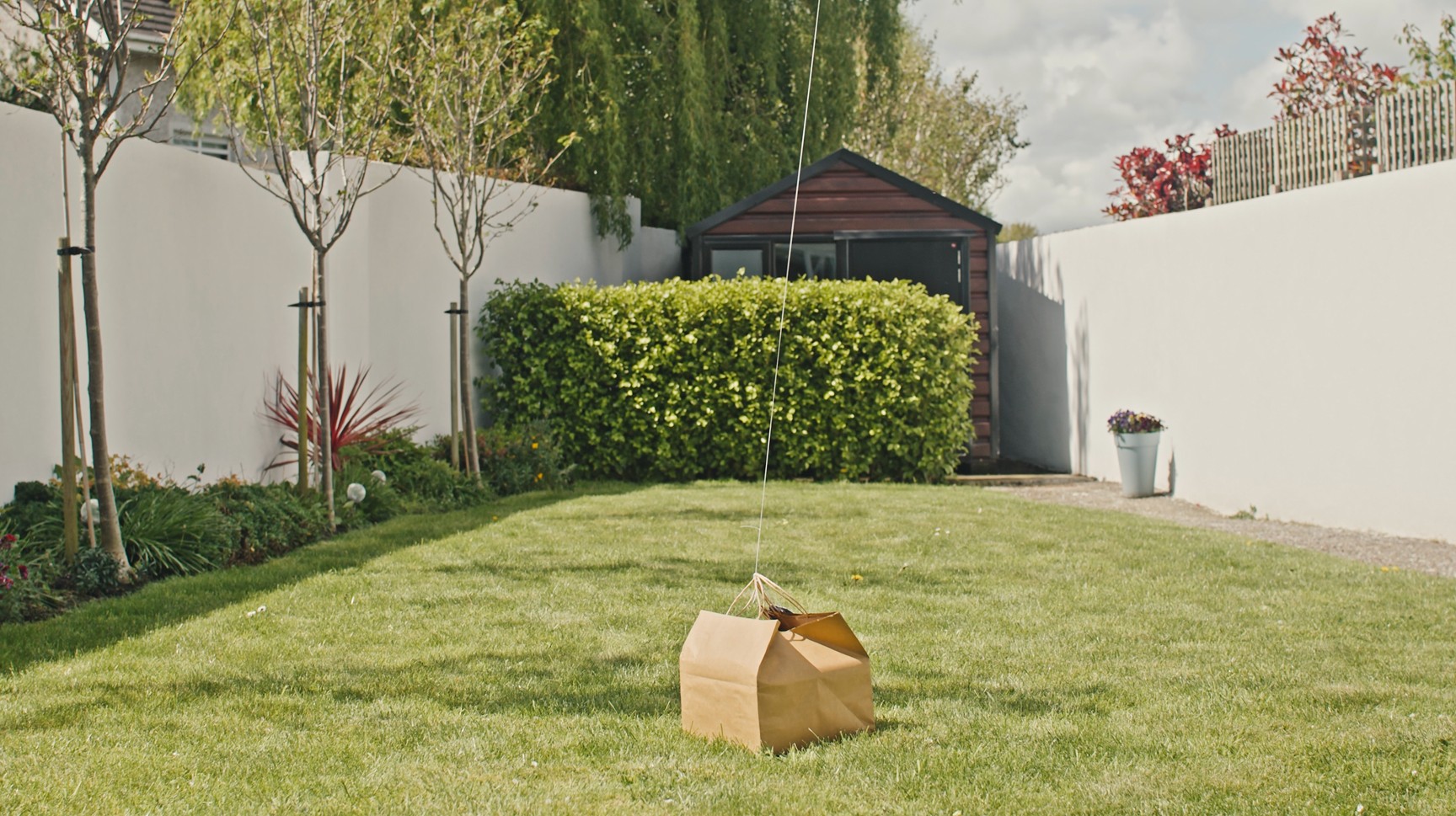
In an era where every business decision carries environmental implications, air delivery emerges as an unexpected champion of sustainability. While traditional delivery methods continue to pump millions of tons of CO2 into our atmosphere, electric-powered autonomous aircraft offer a path to zero-emission logistics.
The carbon reality of current delivery
The numbers are staggering. Food delivery services alone generate an estimated 30 million tons of CO2 annually. Every pound of food delivered by car produces 0.7 lb of carbon emissions, while mopeds generate 0.34 lb. A single delivery vehicle emits approximately 3.2 tons of carbon dioxide per year – multiply that by millions of delivery vehicles worldwide, and the environmental cost becomes clear.
87% carbon reduction: the science behind clean delivery
Maynooth University's comprehensive study on Manna's operations reveals the dramatic environmental benefits of air delivery. Their research found that electric aircraft achieve an 87% reduction in carbon emissions compared to traditional delivery vehicles.
The efficiency comes from multiple factors:
- Electric power means there are no operational emissions.
- Lightweight design requires minimal energy—just 15 cents of electricity per delivery versus $2-3 in fuel costs for vehicles
- Direct flight paths eliminate the stop-and-start emissions of traffic congestion.
- No idling or circling for parking spaces
Beyond carbon: the wider environmental benefits
The environmental advantages extend beyond emissions:
Decreased pollution: With delivery vehicles responsible for significant urban air quality issues, removing them from suburban streets improves local air quality where families live and children play.
Wildlife protection: Manna's automated flight path system actively avoids disruption to local fauna, operating at safe altitudes (165–200 ft for transit) and using broadband noise that blends with ambient sounds rather than creating sharp disturbances.
Reduced road wear: Fewer delivery vehicles mean less road maintenance, reducing the environmental cost of repaving and infrastructure repair.
Perhaps most compelling is how this efficiency scales. While adding more delivery vehicles proportionally increases emissions, air delivery's hub-and-spoke model with micro fulfillment centers becomes more efficient as volume grows. A network of small operational bases means shorter flights, less energy consumption, and minimal concentration of aircraft in any single area.
Meeting climate commitments
For businesses serious about their environmental commitments, air delivery offers a practical path to meaningful reductions. Companies using Manna's service can immediately claim:
- Zero-emission last-mile delivery
- Dramatic reduction in their logistics carbon footprint
- Contribution to cleaner, safer suburban communities
- Support for innovative climate solutions
As one forward-thinking Dublin resident noted: "It teaches our kids about innovation and the need to rely less on fossil-fuelled transport. We are huge supporters of this much-needed service."
The environmental case for air delivery isn't hypothetical. It's proven, measured, and delivering results today in cities across Europe and the United States. For a planet that can't afford business as usual, air delivery offers a cleaner way forward.